On Returning
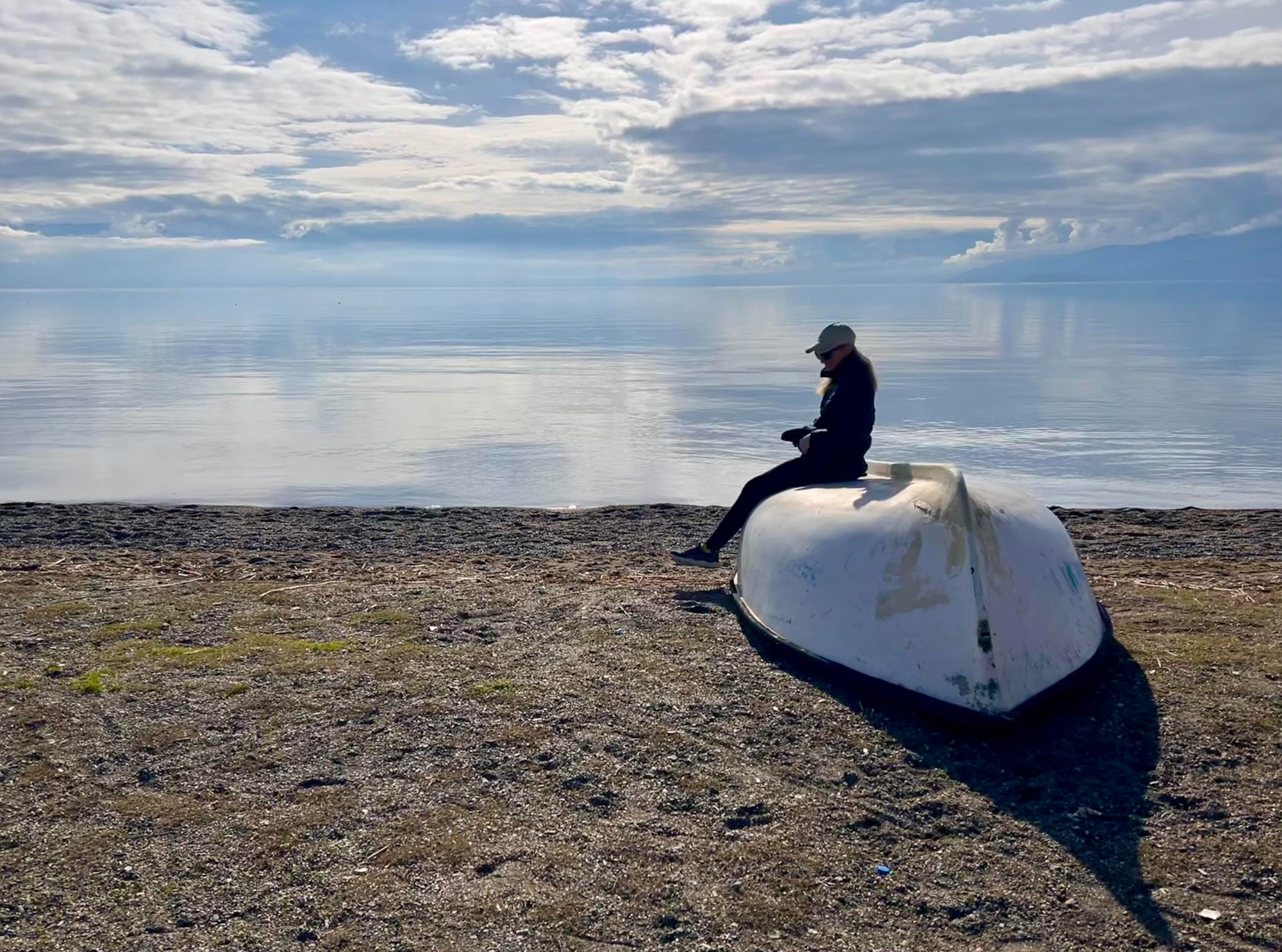
Every year I go back. Overseas, to Struga, North Macedonia — to the place where I first learned the world, my parents' home, the landscapes that shaped my sense of self before I knew I had one to shape. I've been doing this for over twenty years now. Back and forth, back and forth. Growing up apart from my family, seeing them once a year, building a life across an ocean from the people who made me. The trip is a big deal. Not in the logistical sense, though international travel always involves its share of complications. It's a big deal because of what happens when you return to the place that made you, carrying with you all the years and distance that have accumulated since you left.
There's a particular quality to this kind of homecoming that doesn't exist in other forms of travel. You change. You grow. You build a life elsewhere, in a different country, surrounded by people who never knew the version of you that existed before you became whoever you are now; shaped by years lived in a place that operates by different assumptions and different rules about what matters and how life should be lived.
And then you come back. And you realize you're further than ever from the person who grew up here, yet still deeply formed by it all.
This doesn't produce the clean narrative we like to tell about identity — that we leave home to find ourselves, or that we carry home with us wherever we go. The truth is messier. You carry it with you, yes, but imperfectly, incompletely. Pieces of it show up in unexpected ways: the food you crave when you're stressed, the cadence of a language that still moves through your thinking even when you're speaking another one.
But you've also moved beyond it in ways that can't be undone. The person your family knew doesn't quite exist anymore, and the person you've become doesn't entirely make sense in the context of where you started.
This past winter was different. Instead of moving around, as I normally do, traveling to other parts of the region, I stayed. Close to home, in an apartment I own there, and I cooked for my family almost every night — the same kitchen, the same table, the smell of something on the stove becoming just an ordinary part of the evening rather than an occasion.
In twenty years of going back and forth, this was a first for us. The roles we'd held for two decades — me as the one who returns, them as the ones who remain — shifted into something else. I wasn't the visitor anymore, received into their homes with all the attendant rituals of hospitality and care. I was making a home for them, however temporarily, in a place that belonged to both of us differently.
It was such a gift. I enjoyed it so much. Not because cooking for your family is inherently profound, but because it required a different kind of presence than our visits usually allow. When you only see people once a year, there's pressure to make the time count, to fill it with experiences and all the accumulated news of twelve months lived separately. But cooking for someone night after night creates a different rhythm. It's ordinary in a way that annual reunions can't be.
Traveling is a beautiful privilege. And going back home every year is a big piece of my identity. And that's the gift of returning: the landscape doesn't change at the pace you do. The lake and the mountains and the particular slant of winter light remain roughly constant while you accumulate years and distance and transformation. It offers continuity when everything else insists on change. It lets you measure yourself against something that was there before you existed and will persist after you're gone.
That constancy is its own kind of homecoming — quieter than reunion, less legible than belonging, but real. And sometimes, if you're lucky, it lets you stay long enough to make dinner.